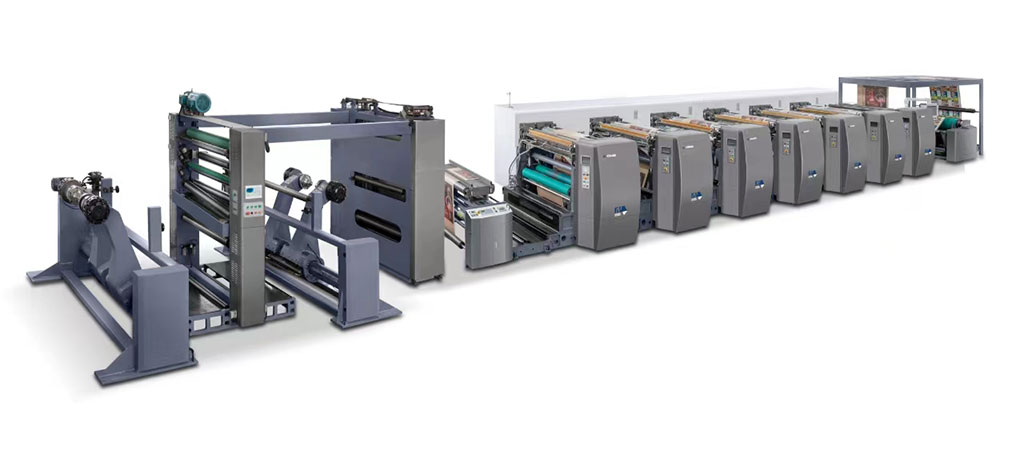
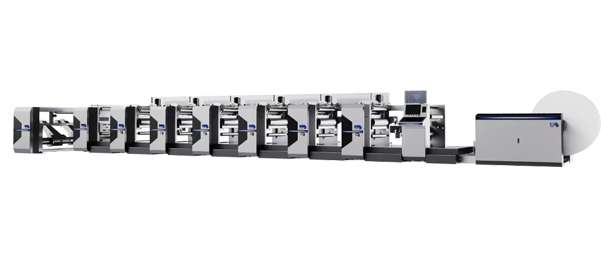
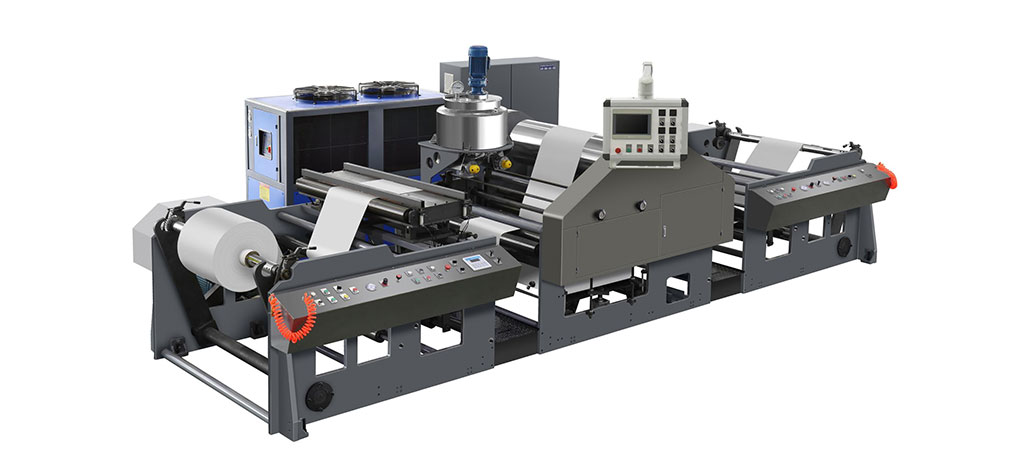
Every converter who runs a medium-to-high volume flexible packaging line eventually faces the same question: should I invest more in sleeve‑based print units or stick with the traditional petal (segmented) type? The answer isn’t one‑size‑fits‑all – it depends on your daily job mix, substrate range, and tolerance for downtime.
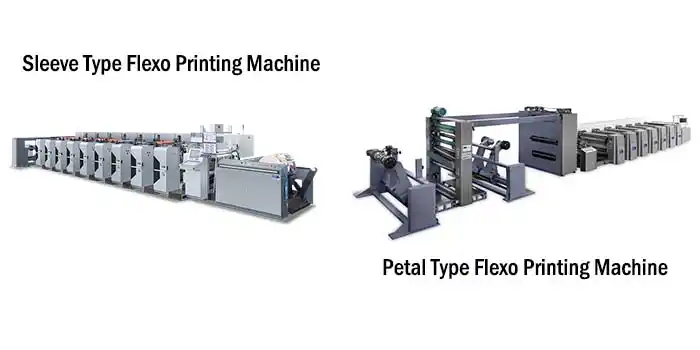
Sleeve technology uses lightweight, air‑assisted cylinders that slide onto a common mandrel. One operator can swap an entire print repeat in under two minutes. No heavy shafts, no bearing realignment – just push a button, blow air, and pull.
Petal type relies on a multi‑piece plate cylinder. Each segment is bolted or clamped around a steel core. It’s an older, proven design that still runs on thousands of presses worldwide – especially for wide webs and heavy ink laydown.
To help you decide, we break down four critical dimensions: registration accuracy, job changeover time, total cost of ownership, and substrate flexibility.
Sleeve systems benefit from a perfectly concentric mandrel. Once the sleeve locks in, runout is typically <0.01 mm across the entire width. This translates to sharper halftones and less dot gain, especially on thin films like BOPP or PET.
Petal type can achieve similar quality, but only if each segment is precisely machined and torqued correctly. Over time, bolts loosen, or segments shift – leading to ghosting and side‑to‑side colour variation. A 2023 survey by FTA (Flexographic Technical Association) found that petal‑type presses require 40% more monthly registration checks than sleeve‑based designs in the same duty cycle.
For a typical short‑to‑medium run (5,000–50,000 linear metres), changeover time drives profitability. Here’s a real‑world comparison from a packaging plant in Gujarat, India:
| Metric | Sleeve System | Petal Type |
|---|---|---|
| Average changeover | 12 min | 34 min |
| Tools required | None | Wrenches, torque gauge |
| Operator skill needed | Low | High |
| Risk of cylinder damage during swap | Very low | Moderate |
The gap grows when you handle multiple repeat lengths in one shift. A sleeve‑equipped line can run six job changes in the time a petal line completes two.
Initial purchase price favours petal type – a set of petal cylinders costs 30‑50% less than an equivalent sleeve set. But labour, waste, and maintenance flip the equation.
Petal type hidden costs:
Annual bolt/segment replacement
Higher scrap during make‑ready
Longer press downtime = lost revenue
Sleeve hidden benefits:
Lighter weight reduces bearing wear
No steel‑to‑steel contact = longer plate cylinder life. A faster job change means you can accept more short‑run orders
A conservative TCO model shows sleeves saving 27,000–27,000–41,000 per printing station, even after higher upfront sleeve costs.
Petal-type handles heavy, abrasive materials like corrugated linerboard and paper sacks better – the rigid steel core resists deflection under high impression pressure.
Sleeve technology excels on elastic and heat‑sensitive substrates:
Thin stretch films (PE, PVC)
Metallised films
Nonwovens and release liners
If your shop prints mostly flexible packaging, sleeves deliver superior register stability. For heavy board or multi‑wall bags, petal remains a workhorse.


Choose sleeve type if:
You run more than 4 job changes per shift
Film thickness <50 microns is common
The operator skill pool is mixed
You plan to add inline lamination or cold foil
Choose petal type if:
Your repeats are very wide (>1.8m) and heavy
You primarily print on paper or corrugated paper
Upfront budget is extremely tight, and you accept higher waste
You have experienced mechanics who maintain bolts religiously
No single technology wins everywhere. The smart approach is to match the print unit design to your dominant job profile – and leave room for future expansion.
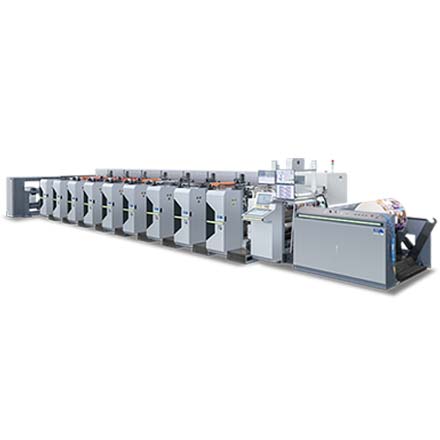
If you are looking for a modular flexo printing solution that adapts to both sleeve and petal options on the same central impression (CI) drum, you can explore the pre‑configured systems offered by FengMing. Their engineers provide a free job‑mix analysis and recommend the optimal station configuration – whether you need quick‑change sleeves for film or heavy‑duty petals for board.
To see technical specifications, case studies from label converters, and get a tailored TCO worksheet, click here to visit the product overview.
References & Notes
FTA (Flexographic Technical Association). 2023 Make‑Ready Benchmarking Report.
Interviewee data anonymised per industry privacy guidelines.
TCO model assumptions available upon request.
GET A QUOTE

 English
 Pусский
 Español