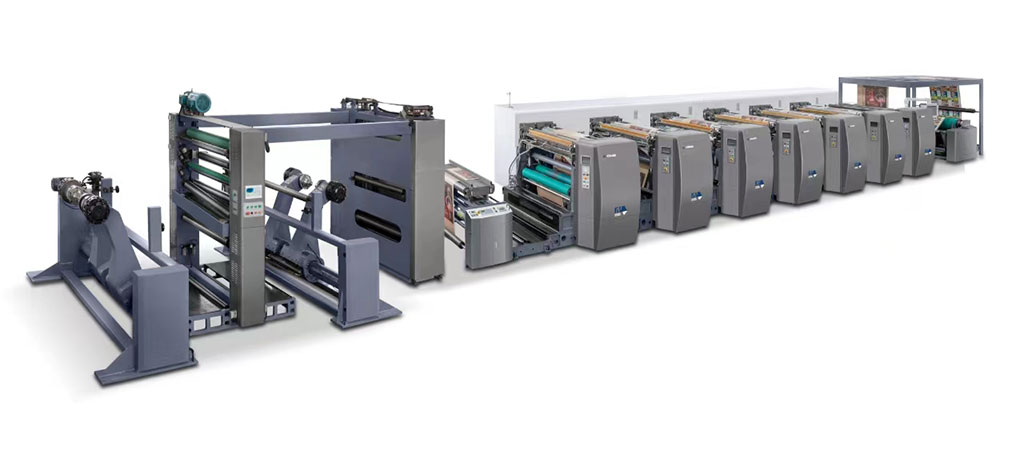
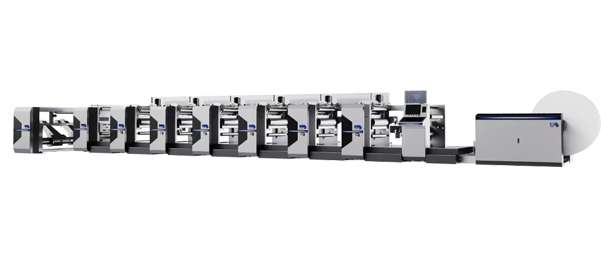
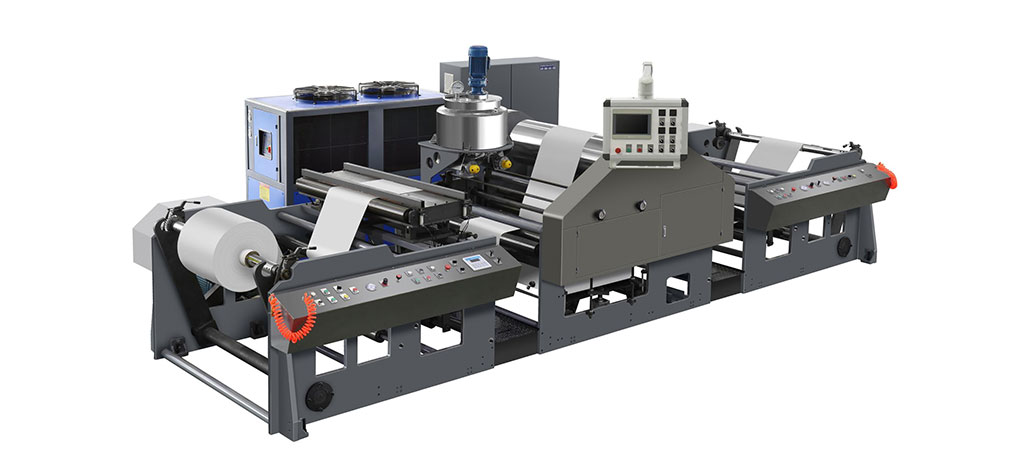
Flexographic printing, or simply flexographic printing, is a versatile and powerful printing method suitable for a wide variety of flexible and non-porous substrates. The flexographic printing press is the heart of this process. Whether you're printing labels, flexible packaging, corrugated cardboard, or napkins, choosing the right machine is crucial for quality, efficiency, and profitability. This guide details key considerations to help you make an informed choice.
Before delving into machine specifications, it's essential to grasp the basics. Flexographic printing uses flexible photosensitive resin plates mounted on rotating cylinders. These plates transfer fast-drying inks (water-based, solvent-based, or UV-cured) onto the substrate. Modern machines typically integrate digital platemaking and advanced control systems, making the printing process faster and more precise than ever before.
Your primary application determines the machine you choose.
Narrow-web flexographic presses: Ideal for labels, hang tags, and flexible packaging (such as bags). They typically handle paper widths of no more than 20 inches.
Wide-web flexographic presses: Used for high-volume flexible packaging, films, and paper. They handle wider substrates, typically exceeding 20 inches.
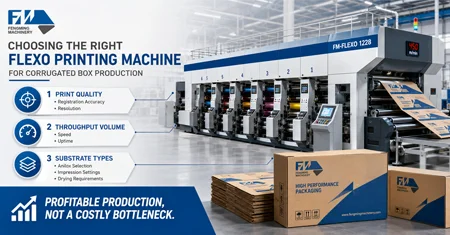
Corrugated board printing: Dedicated heavy-duty flexographic presses are designed for pre-printing or direct printing on corrugated board.
Determine how many colors you need to print simultaneously. Standard machines have 6, 8, or 10 stations. Consider future needs—choose a press with additional stations for adding special colors, varnishes, or primers later.
Roll Width: Choose a machine width that accommodates your maximum job width and allows for efficient multi-pass printing when needed.
Repeat Length: The maximum image length that the cylinder can print. Ensure the machine's repeatability range (usually adjustable via the sleeve system) matches your product design.
The choice of ink system affects drying speed, print quality, and environmental friendliness.
Solvent-based: Traditional, fast drying, but requires ventilation and solvent recovery.
Water-based: More environmentally friendly, suitable for porous materials such as paper and cardboard.
UV-cured: Offers excellent print quality, instant drying, and high durability. Requires a UV lamp and is ideal for non-porous materials.
Stacking Type: Printing units are stacked vertically. Suitable for stretchable films and easy to handle.
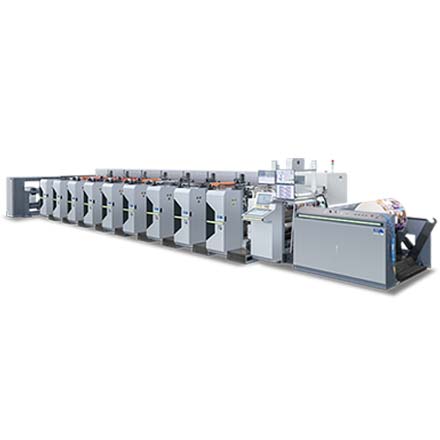
Central Impression Cylinder (CI): All printing units are arranged around a large cylinder. Offers excellent registration accuracy and is ideal for high-quality flexible packaging.
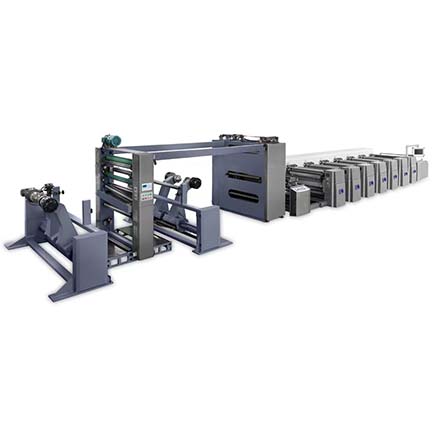
Inline: Printing units are arranged linearly, commonly used for printing corrugated boxes and folding cartons.
Modern flexographic printing equipment relies heavily on automation to ensure print consistency and reduce waste.
Automatic registration control: Electronically maintains alignment between printed materials and between the printed material and the substrate.
Job changeover presets: Stores settings for quick changeovers.
Color management software: Ensures color consistency across different batches of printing.
Roll paper guidance and tension control: Crucial for maintaining stable substrate flow.
Adequate drying is essential for print quality and speed. Ensure the machine is equipped with a powerful hot air dryer (for solvent/water-based inks) or a powerful and well-cooled UV/LED-UV curing station. Insufficient capacity will be a major bottleneck.
Initial Investment: Includes the price of the flexographic printing press, installation, and training costs.
Printing Plates and Anilox Rolls: Consider the cost and lifespan of consumables. Laser-engraved ceramic anilox rollers are key to ink transfer.
Ink Waste and VOC Management: Consider ink costs and any necessary environmental controls.
Maintenance and Service: Choose a reputable manufacturer with a strong global service network and ample spare parts supply.
Investing in a flexographic printing press is a significant decision that will impact your production capacity for years to come. First, clearly define your current and future printing needs. Prioritize a machine that not only meets the appropriate technical specifications but also offers high reliability and automation.
GET A QUOTE
 English
 Pусский
 Español